
Current phase of the moon as an emoji 🌕 – copy & paste
See the current phase of the moon emoji for both the Northern and Southern hemispheres, updated in real time. Click on “Copy Emoji” button below to copy today’s moon phase emoji straight to your clipboard for texts, social posts, or the Password Game rule that asks for the current phase of the moon as an emoji.
🎮 your password must include the current phase of the moon as an emoji – Neal Agarwal’s Password Game
Neal Agarwal’s Password Game includes the rule “Your password must include the current phase of the moon as an emoji.” The game checks your emoji against the real Moon phase for the current date, so only one of the eight emojis will pass.
Today’s moon phase emoji
Use the copy tool at the top of this page to copy today’s moon phase emoji instantly. It updates automatically every day, so you’ll always get the right answer.
- Check the emoji shown in the widget above.
- Click “Copy Emoji.”
- Paste it into your password field.
There are eight possible answers, one for each phase of the lunar cycle: 🌑 🌒 🌓 🌔 🌕 🌖 🌗 🌘
🌙 is not a valid answer. The crescent moon emoji is a general-purpose symbol used for night, sleep, and similar themes. The Password Game does not accept it as a phase emoji.
Check the date if you’re playing close to midnight. The phase on this page updates at midnight UTC. If you’re playing right around that time in your timezone, it’s worth a quick refresh to make sure you have today’s emoji, not yesterday’s.
Bookmark this page for next time
Moon phases shift roughly every three to four days, so the correct emoji for Rule 13 will be different each time you play. Bookmark this page and come back whenever Rule 13 shows up. The tool at the top will always have the right answer ready.
All 8 moon phase emojis
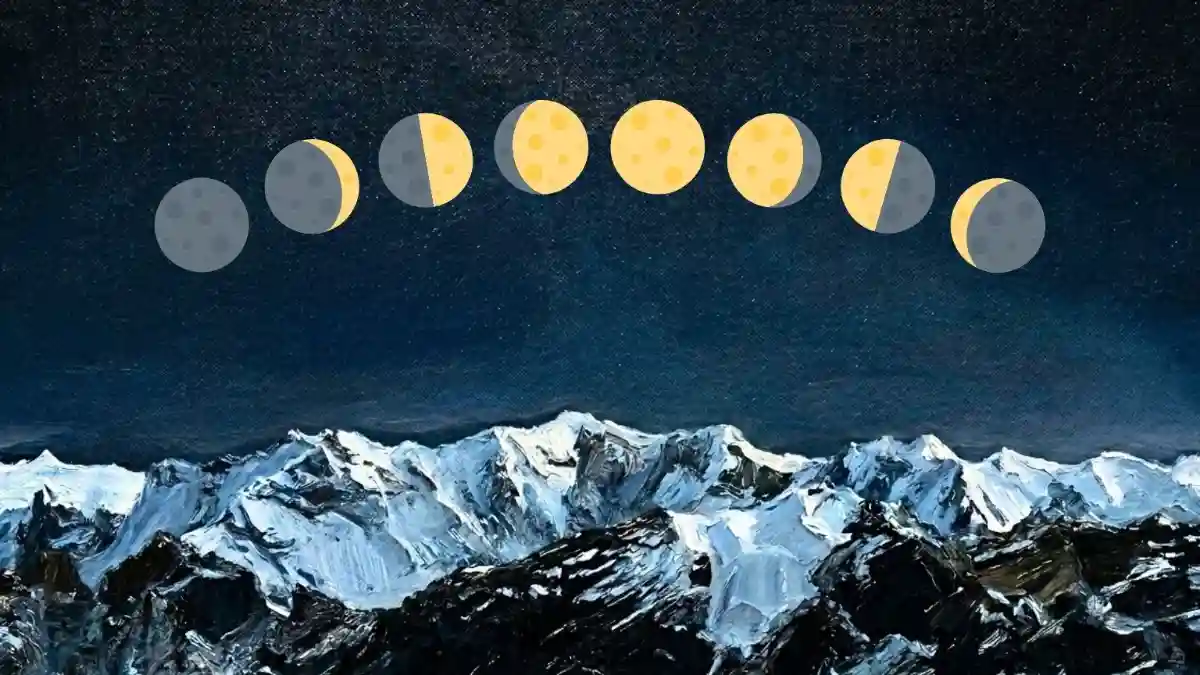
Every moon phase has a dedicated Unicode emoji. Just highlight any emoji in the table above and copy it (Ctrl+C / Cmd+C), or use the one-click copy buttons in the tool above.
| Emoji | Phase Name | Unicode | Illumination |
| 🌑 | New Moon | U+1F311 | ~0% |
| 🌒 | Waxing Crescent | U+1F312 | 1-49% |
| 🌓 | First Quarter | U+1F313 | ~50% |
| 🌔 | Waxing Gibbous | U+1F314 | 51-99% |
| 🌕 | Full Moon | U+1F315 | ~100% |
| 🌖 | Waning Gibbous | U+1F316 | 51-99% |
| 🌗 | Last Quarter | U+1F317 | ~50% |
| 🌘 | Waning Crescent | U+1F318 | 1-49% |
moon Phases and their meaning
🌑 New Moon
The Moon is between Earth and the Sun, so the illuminated side faces away from us, and the Moon is not visible.
Meaning: “New” marks the beginning of a new lunar cycle, historically seen as a fresh start or new month.
🌒 Waxing Crescent
A small curved sliver of light becomes visible as the Moon moves away from the Sun. The illuminated portion is increasing.
Meaning: “Waxing” means growing, and “crescent” refers to the thin, curved shape.
🌓 First Quarter
Half of the Moon appears lit, even though it’s only one-quarter of the way through its orbit around Earth.
Meaning: “First quarter” indicates the Moon has completed the first quarter of its cycle.
🌔 Waxing Gibbous
More than half of the Moon is illuminated, and the bright portion continues to grow toward full.
Meaning: “Waxing” means increasing, and “gibbous” means bulging or swollen.
🌕 Full Moon
Earth is between the Sun and the Moon, so the entire visible side of the Moon is fully illuminated.
Meaning: “Full” represents complete illumination; historically important for calendars, festivals, and nighttime visibility.
🌖 Waning Gibbous
After the full Moon, the illuminated portion begins to decrease, though more than half is still visible.
Meaning: “Waning” means shrinking, and “gibbous” refers to the still-rounded shape.
🌗 Last Quarter
Half of the Moon is visible again, but now the opposite side is illuminated compared to the first quarter.
Meaning: Called the “last” or “third” quarter because the Moon is about three-quarters through its cycle.
🌘 Waning Crescent
Only a thin crescent remains as the Moon approaches the end of its cycle and returns to new Moon.
Meaning: “Waning” means decreasing, and “crescent” describes the narrow curved shape.
Why use moon phase emojis?
Moon phase emojis are everywhere – and for good reason. Here’s where people actually use them:
- Social media captions: Instagram, TikTok, and X posts about night sky photos, mood updates, or astrology content. 🌕 and 🌑 are among the top 50 most-used emojis in astrology.
- The Password Game: Rule 13 of Neal Agarwal’s viral 2023 browser game requires you to include the current phase of the moon as an emoji in your password. It’s the rule that sends most players scrambling to Google.
- Astrology and weather apps: moon phase emojis are used in apps like TimePassages and Weather Underground to represent the moon phase.
Why the Moon Phase Emoji Looks Different in the Southern Hemisphere
The Moon’s lit side appears flipped depending on where you stand on Earth. Northern Hemisphere viewers see the right side lit during a waxing phase. Southern Hemisphere viewers see the left side lit.
Standard emojis follow the Northern view, so 🌒 and 🌘 can look backwards from the south. The Widget above shows the correct emoji for your hemisphere automatically.
How is the moon phase calculated?
The Moon completes one full orbit around Earth every 29.53 days. This is the time from one New Moon to the next.
To find the current phase, we calculate the Moon’s age: the number of days elapsed since the last New Moon. That age maps directly to a phase:
| Moon Age (Days) | Phase |
| 0 – 1.85 | New Moon 🌑 |
| 1.85 – 7.38 | Waxing Crescent 🌒 |
| 7.38 – 9.22 | First Quarter 🌓 |
| 9.22 – 14.77 | Waxing Gibbous 🌔 |
| 14.77 – 16.61 | Full Moon 🌕 |
| 16.61 – 22.15 | Waning Gibbous 🌖 |
| 22.15 – 23.99 | Last Quarter 🌗 |
| 23.99 – 29.53 | Waning Crescent 🌘 |
How Often Does the Moon Phase Emoji Change?
The emoji changes eight times per lunar cycle. Quarter and full phases last about a day, while the crescent and gibbous phases last about six to seven days each. The emoji on this page refreshes at midnight UTC.
Unicode crescent symbols (non-emoji)
| Symbol | Unicode | Name |
| ☽ | U+263D | First Quarter Moon Symbol |
| ☾ | U+263E | Last Quarter Moon Symbol |
These render as text characters, not colorful emoji – appearance depends on your font. They’re common in astrology charts, printed almanacs, and astronomical notation.
Moon emoji with faces
Unicode also includes a set of moon face emojis. They’re not used for phase tracking, but they’re wildly popular in memes and reactions.
| Name | Emoji | Unicode |
| New Moon with Face | 🌚 | U+1F31A |
| First Quarter Moon with Face | 🌛 | U+1F31B |
| Last Quarter Moon with Face | 🌜 | U+1F31C |
| Full Moon with Face | 🌝 | U+1F31D |
FAQ’s ❓
What is the current phase of the moon as an emoji?
Use the emoji shown in the widget at the top of this page. It matches today’s real Moon phase and is one of 🌑 🌒 🌓 🌔 🌕 🌖 🌗 🌘. It updates at midnight UTC.
What is the moon phase emoji for today?
Today’s moon phase emoji is the one displayed in the widget above. It changes every few days, so check the page again if you need it for a later date.
What moon emoji should I use for the Password Game?
Copy the emoji from the widget and paste it into your password. The game checks it against the real current phase, so only one of the eight emojis is accepted on a given day.
How many moon phase emojis are there?
There are eight moon phases: new moon, waxing crescent, first quarter, waxing gibbous, full moon, waning gibbous, last quarter, and waning crescent. Each has its own Unicode code point.
Which emoji is the full moon?
The full moon emoji is 🌕 (U+1F315). It represents a fully lit Moon.
What is the difference between 🌒 and 🌘?
🌒 is the waxing crescent, with the right side lit as the Moon grows. 🌘 is the waning crescent, with the left side lit as the Moon shrinks.
Is the moon phase emoji the same in the Southern Hemisphere?
The phase is the same, but the lit side looks reversed from the south. Standard emojis follow the Northern Hemisphere view, so use the hemisphere toggle to match your sky.
How do I copy and paste the moon phase emoji?
Click the copy button in the widget, then paste with Ctrl+V on Windows or Cmd+V on Mac. On mobile, press and hold in the text field and tap Paste.
How accurate is the moon phase emoji?
The emoji is an approximation of the real phase. It shows only eight stages, while the Moon’s illumination changes continuously from 0% to 100% and back.
How long is one full moon cycle?
A full cycle from new moon to new moon lasts about 29.5 days.
What is the crescent moon emoji🌙?
🌙 (U+1F319, “Crescent Moon”) is a decorative symbol – it represents night, sleep, or Islam in general usage. It does not correspond to a specific lunar phase.